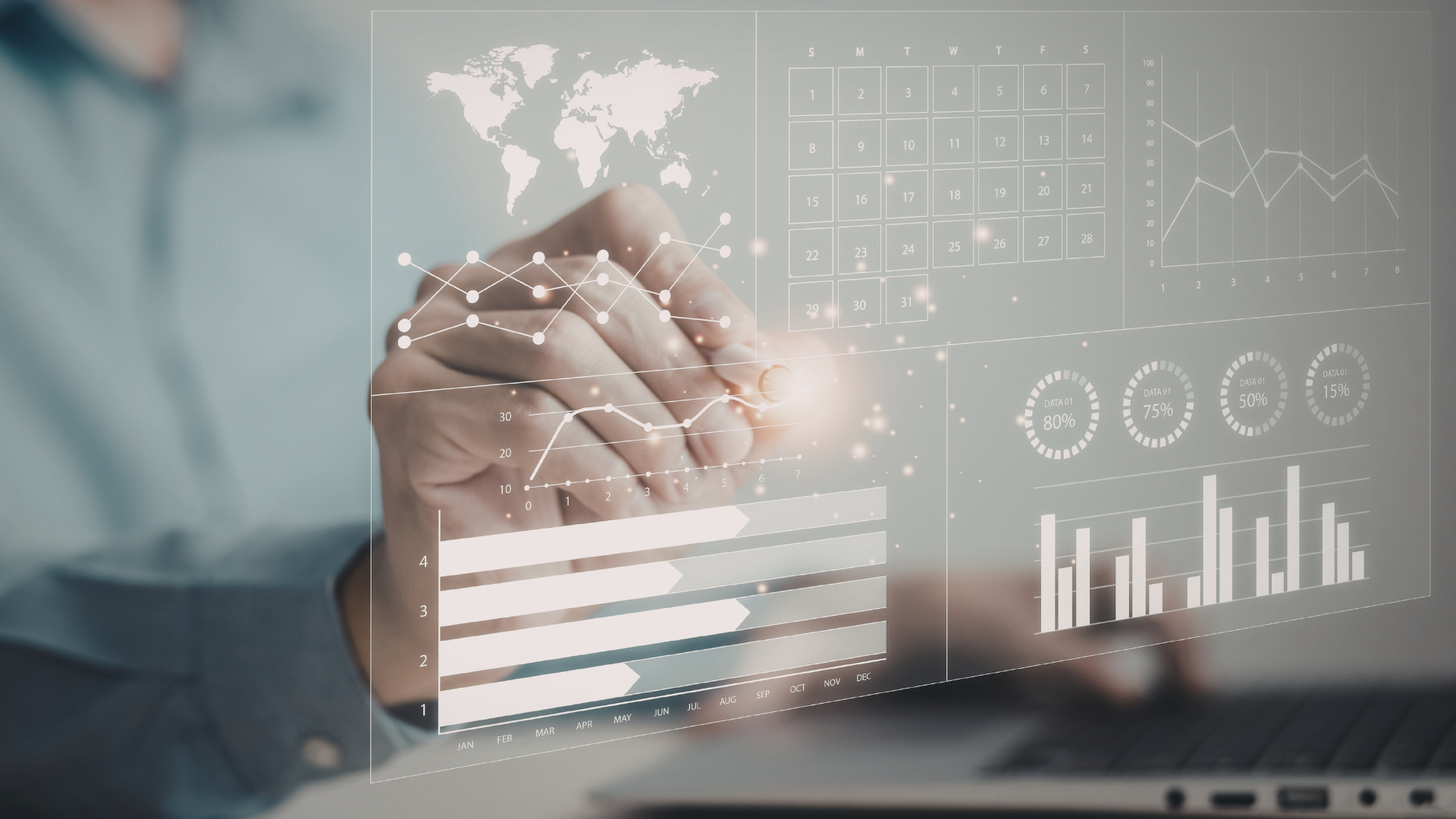
Data has become one of the most valuable assets in modern business, but its true value is only realized when it is properly understood and applied. Data Analytics and Data Science provide the tools and methods needed to transform raw information into meaningful insights that drive smarter decisions. In a world where every interaction generates data, businesses that can interpret and act on that data gain a clear advantage over those that cannot.
Data Analytics focuses on examining data sets to identify patterns, trends, and relationships that can inform business decisions. It answers important questions about what is happening within a business, why it is happening, and what can be done to improve outcomes. Data Science goes a step further by combining analytics with advanced techniques such as statistical modeling and predictive analysis to forecast future trends and behaviors. Together, they create a powerful system for understanding both the present and the future of a business.
In practical application, Data Analytics and Data Science are used across various aspects of business operations. From tracking customer behavior and monitoring sales performance to analyzing marketing campaigns and optimizing internal processes, these tools provide clarity in areas that would otherwise rely on guesswork. They enable businesses to move from assumptions to evidence-based decisions, reducing risks and improving overall efficiency.

One of the key strengths of data-driven systems is their ability to reveal insights that are not immediately visible. Patterns hidden within large volumes of data can uncover customer preferences, highlight inefficiencies, and identify new opportunities for growth. Instead of reacting to problems after they occur, businesses can anticipate challenges and take proactive measures to address them. This level of foresight is essential in today’s fast-paced digital environment.
Data Science enhances this capability by introducing predictive and prescriptive models. These models analyze historical data to predict future outcomes and recommend the best course of action. For example, a business can use data science to forecast demand, optimize pricing strategies, or determine the most effective marketing channels. This not only improves decision-making but also creates a more strategic and forward-thinking approach to growth.
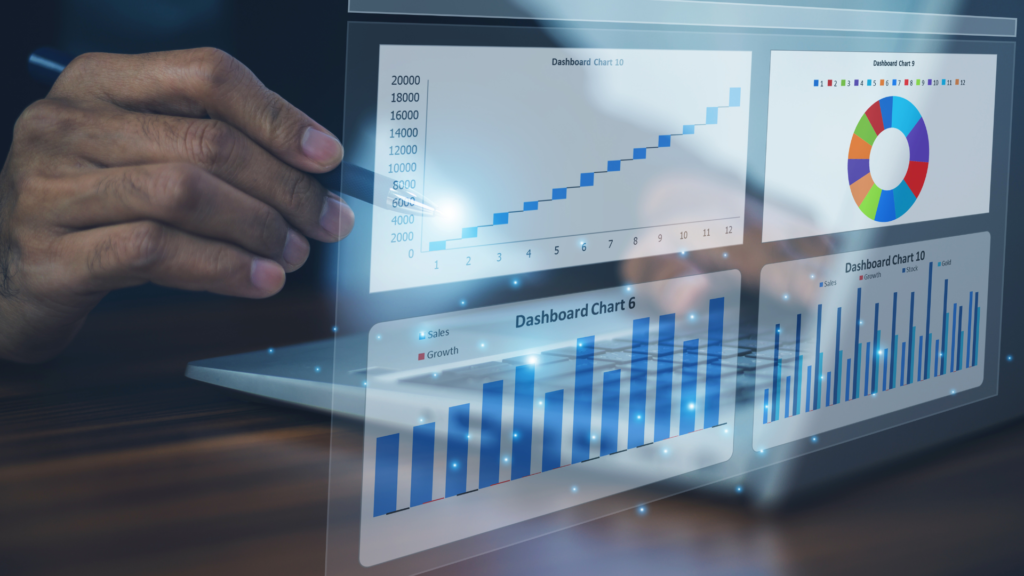
Beyond decision-making, Data Analytics plays a significant role in improving customer experience. By understanding how customers interact with products or services, businesses can personalize offerings, refine communication, and deliver more relevant experiences. This leads to stronger engagement, increased customer satisfaction, and higher retention rates. When businesses understand their audience deeply, they are better positioned to meet their needs effectively.
Another important benefit is operational efficiency. Data helps identify areas where resources are being underutilized or where processes can be optimized. This allows businesses to streamline operations, reduce costs, and improve productivity. Instead of relying on manual monitoring, data systems provide continuous insights that support smarter resource allocation and better performance management.
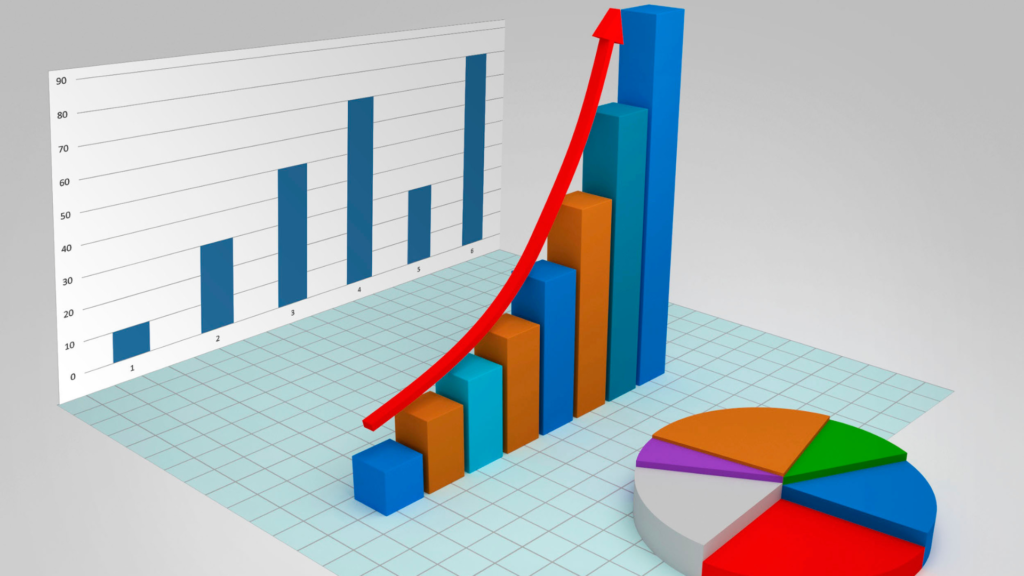
As businesses grow and become more complex, the need for accurate and timely insights becomes even more critical. Data Analytics and Data Science provide the foundation for building systems that can scale with growth while maintaining clarity and control. They ensure that decisions are not based on guesswork but on reliable information that reflects real-world conditions.
At USG Avenue, Data Analytics and Data Science are integrated into strategies that help businesses understand their environment, measure performance, and make informed decisions that support long-term growth. By combining data with intelligent systems, businesses can create a structured approach to growth that is both sustainable and adaptable to change.
In conclusion, Data Analytics and Data Science are essential components of modern business success. They empower organizations to move beyond intuition and operate with precision, confidence, and insight. In a digital landscape driven by information, the ability to understand and use data effectively is what separates growing businesses from those that remain stagnant.